Introduction
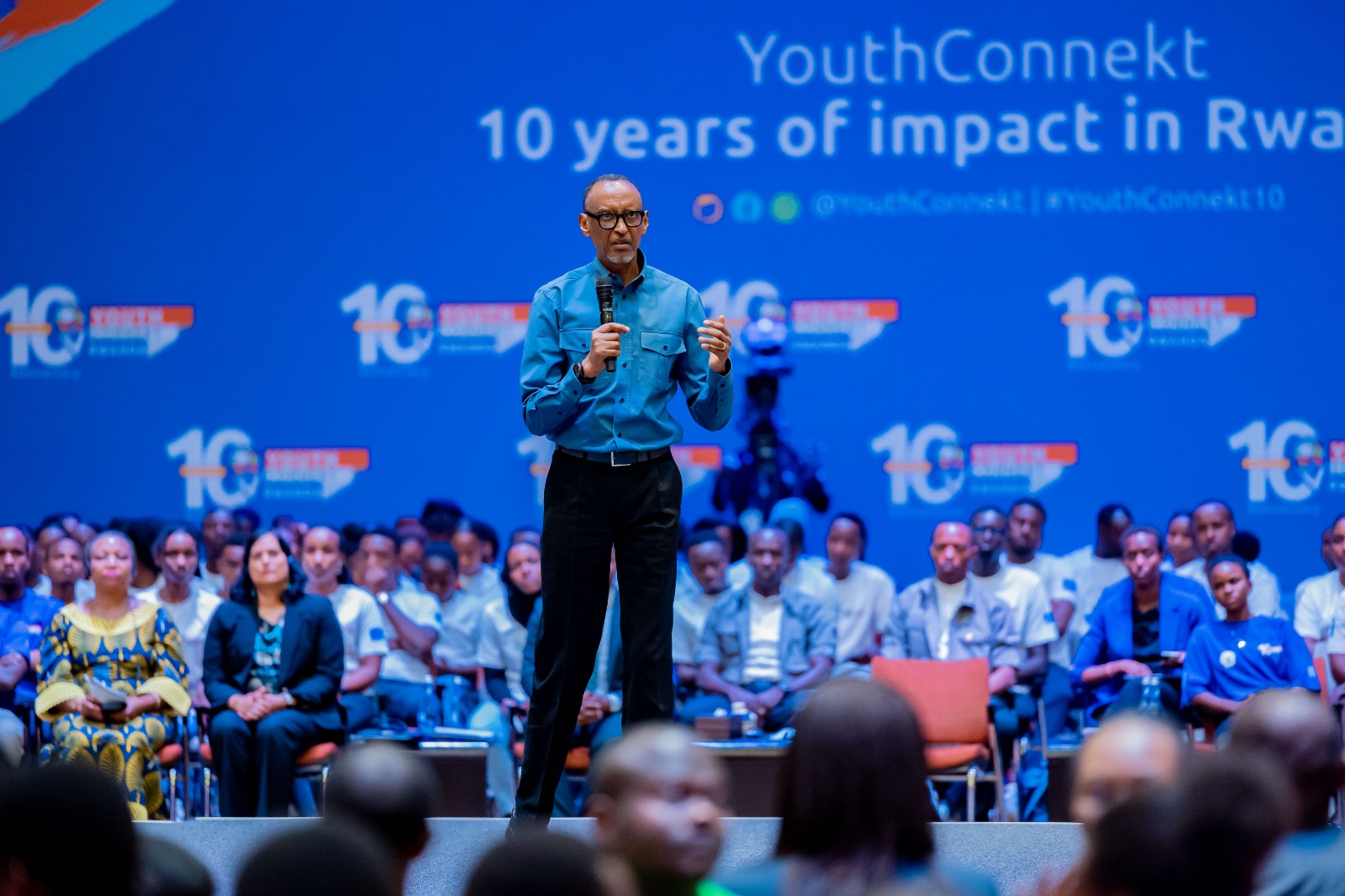
Rwanda’s innovation culture is not just built on its digital infrastructure or government strategy — it runs deep in its people, institutions, and national vision. Over the past decade, the country has deliberately fostered a mindset of creativity and entrepreneurship. By investing in youth, supporting innovation hubs, and connecting policy with grassroots action, Rwanda is shaping a sustainable, inclusive culture of innovation.
2. Innovation Culture: Core Drivers & Values
2.1. National Vision and Strategic Alignment
- Rwanda’s long-term development roadmap — Vision 2050 — emphasizes a knowledge-based economy, where innovation and technology play a central role in economic transformation. Rwanda Tech News+2We are Tech+2
- Institutional structures support this mindset: the Rwanda Innovation Fund (RIF) is one such major effort to foster technology-led startups. RDB+1
- According to the 2024–2029 FinTech Strategy, Rwanda’s government is advancing financial innovation not just for efficiency but to improve inclusion — reflecting how innovation is tied to social goals. Minict
2.2. Youth & Skills as the Innovation Engine
- Programs such as TechRise Rwanda are central: based at Norrsken House in Kigali, they train young Rwandans (ages 10–17) in AI, robotics, web development, and entrepreneurship. Tech Rise Rwanda
- According to their own data, TechRise has trained ~500 youth and supported ~150 innovation projects. Tech Rise Rwanda+1
- This focus on early, project-based learning with mentorship helps instill an entrepreneurial mindset rather than just technical skills.
3. Institutional & Ecosystem Supporting Innovation
3.1. Innovation Hubs & Infrastructure
- Rwanda now has 19 innovation hubs across the country (as per recent government data), up from just two in 2017. Minecofin
- Major innovation centers are located not only in Kigali but also in secondary cities: Musanze, Muhanga, Nyagatare, Rusizi, Rubavu, and Huye. Minecofin
- The Kigali Innovation City (KIC) is a flagship project: a planned 61-hectare smart city designed to host universities, incubators, co-working spaces, and tech companies. We are Tech
- KIC is projected to create over 50,000 jobs and generate ~US$150 million in ICT exports annually. We are Tech
3.2. Incubators & Accelerators
- Keziaa Solutions is a local incubator dedicated to supporting early-stage startups, offering mentorship, access to funding, and global market entry support. Kezia Solutions
- The European Union-backed Hanga Hubs Project, in partnership with RISA and the ICT Chamber, operates in four secondary cities (Muhanga, Nyagatare, Rubavu, Rusizi), with the goal of incubating 192 startups by 2026. Rwanda Investigation Bureau
- Hanga Hubs also emphasize local ownership by providing physical space, resources, and tailored support to youth entrepreneurs in their home districts. Hanga Central
4. Innovation Output, Success Stories & Impact
4.1. Innovation Output & Rankings
- In the Global Innovation Index (GII) 2025, Rwanda ranks 104th overall, but notably 1st among the 11 low-income economies included in the ranking. WIPO
- Among Sub-Saharan African countries, Rwanda ranks 10th in the same index. WIPO
- This shows that while Rwanda’s innovation input (infrastructure, institutions, policy) is relatively strong, its innovation output (patents, R&D, commercialization) still has room for growth. WIPO
4.2. Startup & Entrepreneurial Success
- According to the Rwanda Development Board’s 2023 annual report, the Rwanda Innovation Fund (RIF) has disbursed US$ 5.6 million to support 10 startups. RDB
- Some well-known Rwandan tech ventures help illustrate the innovation culture in action: for example, HeHe Limited, founded by Clarisse Iribagiza, has developed mobile and social platforms tailored to local needs (e.g., education, community feedback). WIRED+1
- Also, drone innovation: companies like Zipline operating in Rwanda have demonstrated how high-impact tech can be localized for public good. WIRED
5. Innovation Mindset: Barriers, Challenges & Cultural Tensions
5.1. Barriers to Innovation
- Despite growth, Rwanda’s market size is relatively small (population ~13 million), which can limit the scale of locally built businesses. Rwanda Tech News
- Access to capital — especially beyond early stages — remains a challenge. While the RIF is active, other forms of venture funding are still emerging. RDB
- Some observers note the ecosystem is still fragmented: while there are many support organizations, alignment and coordination across them could improve. Ewor
5.2. Structural & Cultural Risks
- Risk-aversion: Not all innovators are willing to take big risks, especially in more traditional sectors.
- Brain drain: Talent developed in innovation hubs may be tempted to emigrate if not provided with compelling local opportunities.
- Inequality of access: Even though innovation hubs are expanding, some rural youth or less-connected groups might not benefit equally. The Hanga Hubs project is one initiative explicitly trying to address this. Rwanda Investigation Bureau+1
6. Innovation Culture in Action: Key Trends & Emerging Patterns
6.1. Youth-Driven Innovation
- Young Rwandans are increasingly entrepreneurial: through programs like TechRise they build real projects (AI tools, robotics, web apps) very early, often solving local problems. Tech Rise Rwanda
- This generation is not only learning to code — they are learning to think like innovators: turning ideas into business models, pitching to investors, and launching viable startups.
6.2. Local-Global Hybrid Innovation
- The innovation culture is globally minded: initiatives like Kigali Innovation City aim to host multinational tech firms and global research, not just local startups. We are Tech
- At the same time, solutions are very local: innovators address uniquely Rwandan (or African) problems using technology. This hybrid orientation helps build relevance and scalability.
6.3. Inclusivity & Technology for Good
- Innovation is not for elites only: Hanga Hubs target secondary cities, democratizing access to entrepreneurship. Hanga Central
- There is growing attention to gender inclusion: for example, Rwanda has strong traditions around supporting women and girls in technology (though more data is needed). The legacy of Miss Geek Rwanda / Africa helps reflect this. Wikipedia
- Public-good technology is part of the innovation narrative: from drones for health to fintech for financial inclusion, innovators are aligning with national development goals.
7. The Role of Policy & Public-Private Collaboration
7.1. Policy Support
- The Startup Act and other supportive policies help reduce barriers: for instance, preferential tax treatment, administrative support, and innovation funding (through RIF) encourage risk-taking. blackpimpernel.local
- The government’s FinTech Strategy (2024–2029) shows willingness to drive digital financial innovation through regulation, capacity building, and incentives. Minict
7.2. Public-Private Partnerships
- Collaboration between government, private sector, and development partners is strong: the EU-backed Hanga Hubs is one example. Rwanda Investigation Bureau+1
- Local incubators (like Keziaa) partner with global networks to help Rwandan startups scale beyond the country. Kezia Solutions
- Innovation hubs such as those in Kigali and secondary cities provide physical, institutional, and mentorship infrastructure, which reduces the barrier to entry for innovators.
8. Future Outlook & Cultural Risks
8.1. Future Trajectories
- If current trends continue, Rwanda could become a regional innovation hub, not just a user of technology but a creator of scalable tech solutions for Africa.
- The expansion of innovation hubs into non-capital cities (through Hanga Hubs) means innovation may spread more evenly across the country, reducing centralization.
- With growing youth participation and early training (TechRise and similar), Rwanda may build a generation of serial entrepreneurs, boosting both social and economic innovation.
8.2. Cultural Risks & Persistence
- Sustainability of innovation funding: maintaining funding for RIF and hubs will be critical as early investments mature.
- Risk culture: continuing to normalize risk — both financial and reputational — is essential. Innovators must feel safe to fail, learn, and pivot.
- Retaining talent: as innovation culture grows, Rwanda will need to ensure attractive opportunities to keep its innovators in-country.
- Deepening inclusion: to truly embed innovation culture, Rwanda needs to make sure underrepresented communities (rural, gender, youth) are fully part of the ecosystem.
9. Conclusion
Rwanda’s innovation culture is more than buzzwords. It is grounded in deliberate policy, institutional support, youth empowerment, and real-world tech projects. The growth in innovation hubs, the expansion of youth learning programs, and the increasing number of startups all reflect a deepening cultural transformation: Rwandans are not just adopting technology — they are building it, shaping it, and embedding it into national development.
But culture-building is long-term work. For Rwanda to sustain and scale its innovation ecosystem, it must continue to nurture risk-taking, broaden access, and support its innovators — especially the younger generation — in real and meaningful ways.
Comments
Loading comments…