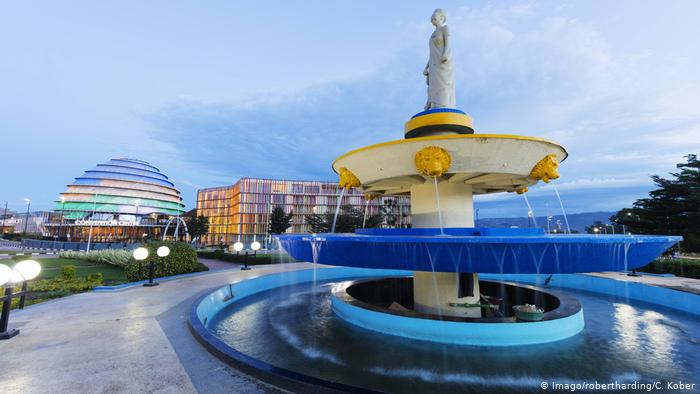
Rwanda’s development story is one of the most remarkable in modern Africa. In just three decades, the country has transformed itself from post-conflict recovery to one of the fastest-improving nations in human development indicators. This article decodes Rwanda’s progress using data-driven insights across health, education, poverty reduction, and economic transformation.
1. Population & Demographic Transformation
Rwanda’s population has grown steadily—driven by increased life expectancy, reduced mortality, and improved health services.
- Population: Over 13 million people
- Urbanization: Increasing each year, with Kigali at the center of economic activity
- Life Expectancy:
- 2000: around 48 years
- 2023: around 69 years
- Fertility Rate: Gradually declining due to increased access to family planning
- Youth Population: 67% of Rwandans are under the age of 30
Insight: Rwanda’s demographic structure gives it a young, energetic workforce capable of driving future innovation and economic growth.
2. Health Development Progress
Rwanda’s health sector is one of the strongest success stories on the continent.
Key Achievements
- Health Insurance Coverage: Over 90% of the population is covered under Mutuelle de Santé.
- Maternal Mortality: Decreased dramatically from high rates in early 2000s to one of the lowest in East Africa today.
- Under-5 Mortality: Reduced by more than half in the past two decades.
- Vaccination Coverage: Over 95% for most essential vaccines.
- Digital Health Systems: The country has pioneered drone-based delivery of medical supplies and early digital health registries.
Insight: Rwanda shows that large-scale health improvements are possible with community-based insurance, decentralized clinics, and strong digital health integration.
3. Education & Skills Development
Rwanda has invested heavily in building a knowledge-driven future.
Progress Indicators
- Primary School Enrollment: Consistently above 95%.
- Secondary Enrollment: Increasing rapidly due to the 12 Years Basic Education policy.
- Literacy: Above 73% overall, higher among youth.
- Digital Education: Smart classrooms and laptops distributed through initiatives supporting digital literacy among children.
- Higher Learning: Growth of technology-focused institutions such as Carnegie Mellon University Africa, African Leadership University, and the University of Rwanda’s STEM programs.
Insight: Rwanda is intentionally preparing a data-literate, tech-ready generation aligned with its Vision 2050 goals.
4. Economic Development & Poverty Reduction
Economic Growth
Rwanda has recorded strong, consistent economic growth for nearly two decades, driven by:
- Services sector expansion
- Infrastructure investments
- ICT innovation
- Tourism and hospitality
- Real estate and urban development
Poverty Reduction
- Rwanda has significantly reduced extreme poverty since early 2000s.
- Social protection programs, including VUP (Vision Umurenge Program), have helped vulnerable households.
Employment & Entrepreneurship
- Rapid growth in startups and SMEs
- Strong investment in innovation hubs
- Increased foreign investments and public-private partnerships
Insight: Rwanda’s developmental model prioritizes stability, good governance, and innovation-driven growth.
5. Infrastructure & Urban Development
Key Areas of Progress
- Road Networks: Significant expansion connecting districts and rural communities
- Electricity Access: Improved from minimal levels to more than half of the population, with aggressive targets ahead
- Internet Penetration: Rapidly increasing due to fiber-optic rollout and 4G expansion
- Kigali Urban Transformation: Major real estate and Smart City developments
- Public Transport Modernization: Digital payment systems and improved bus routes
Insight: Infrastructure growth has directly contributed to private sector confidence and national productivity.
6. Technology, Digital Transformation & Innovation
Rwanda has positioned itself as a continental leader in digital transformation.
Highlights
- National Broadband: High-speed internet extended nationwide
- E-Government Systems: Online services for land, identification, health, taxes, justice, etc.
- Tech Innovation Hubs: Growing startup ecosystem
- AI & Data Systems: Increasing integration of AI into public services, including land management, health, and urban planning
- Digital Identity & National Registries: Strengthened systems for efficient service delivery
Insight: Rwanda’s ambition to become a regional technology hub is supported by strong government policies and investments in digital infrastructure.
7. Sustainability & Environment
Environmental Achievements
- Cleanest City Reputation: Kigali consistently ranked as one of Africa’s cleanest cities
- Ban on Plastics: One of the first countries globally to outlaw single-use plastics
- Umuganda: Monthly community work contributing to public cleanliness and social cohesion
- Forest Cover: Significant reforestation efforts
- Climate Action: Investment in green cities, renewable energy, and environmental protection programs
Insight: Rwanda’s environmental policies are a core part of its long-term development and resilience strategy.
Rwanda’s development progress is not accidental—it is the result of clear policy direction, strong governance, data-driven planning, and a national commitment to innovation and transformation.
From health, education, and poverty reduction to digital transformation and Smart Cities, Rwanda continues to position itself as one of Africa’s most forward-looking countries.
Comments
Loading comments…